In this guide
- Why the Base Matters More Than the Grass
- The Layers Under Artificial Grass, From Bottom to Top
- Can You Put Artificial Grass Straight on Sand?
- Artificial Grass on Concrete, Tiles or a Roof
- How Much Road Base and 3/16 Do You Need?
- Common Mistakes Under Artificial Grass
- Who Does What
- Ordering Artificial Grass Base Materials in Abu Dhabi
Quick answer
Do not lay artificial grass straight on loose desert sand. In the UAE the base that lasts is three layers: the natural ground cleared and firmed, about 75 to 100 mm of compacted road base, then about 20 to 30 mm of 3/16 crushed stone raked smooth as the laying layer. A weed sheet goes on top, then the grass. This gives a flat lawn that drains after rain and does not sink or ripple in the heat.
Artificial grass is now the most common garden choice for villas in Abu Dhabi. It stays green through the summer, needs no water bill and no gardener. Yet the most common complaint we hear is the same: “After a few months the grass has dips, waves and puddles.” In almost every case the grass is fine. The problem is what is under it.
This guide explains what to put under artificial grass in the UAE, how thick each layer should be, which materials to order, and the mistakes that make a new lawn sink. We supply the base materials every week to villa owners and landscapers across the emirate, so the advice comes from what works on real gardens here.
Why the Base Matters More Than the Grass
The base matters more than the grass because artificial turf is a thin carpet that shows every bump and soft spot. A good base keeps the lawn flat under foot traffic, lets rain, washing water and pet urine drain through, and stops weeds and sinking. Loose dune sand, found in most Abu Dhabi gardens, moves with every step.
Artificial grass is a thin carpet. It shows every bump, hole and soft patch underneath it. A good base does three jobs:
- Keeps the lawn flat. A firm, compacted layer does not move when people walk, children play or furniture stands on it.
- Lets water drain. Rain, washing water and pet urine must pass straight through. Water that sits under the grass leaves puddles and smells.
- Stops weeds and sinking. A proper base and a weed sheet stop roots coming through and stop loose sand shifting into holes.
Most villa gardens in Abu Dhabi sit on fine dune sand. It drains well, but it is loose. Under artificial grass it moves with every footstep and every rain, so the surface slowly turns into small hills and hollows.
The Layers Under Artificial Grass, From Bottom to Top
From bottom to top, a UAE artificial grass lawn has the cleared ground, dug out about 100 to 130 mm, then 75 to 100 mm of compacted road base, then a 20 to 30 mm laying course of 3/16 crushed stone, then a geotextile weed sheet, then the artificial turf and its infill.
Here is the build up most landscapers in the UAE use for a garden lawn that people walk on every day.
| Layer | Material | Thickness | What it does |
|---|---|---|---|
| 1. Ground | Existing soil, cleared and firmed | Dig out about 100 to 130 mm | Removes roots, stones and loose top sand |
| 2. Sub base | Road base | 75 to 100 mm, compacted | Firm, stable layer that carries the weight |
| 3. Laying course | 3/16 aggregate (about 5 mm) | 20 to 30 mm, raked and compacted | Smooth, flat finish that still drains |
| 4. Weed sheet | Geotextile membrane | One sheet | Stops weeds, keeps layers apart |
| 5. Grass | Artificial turf plus infill | As the turf supplier advises | The finished lawn |
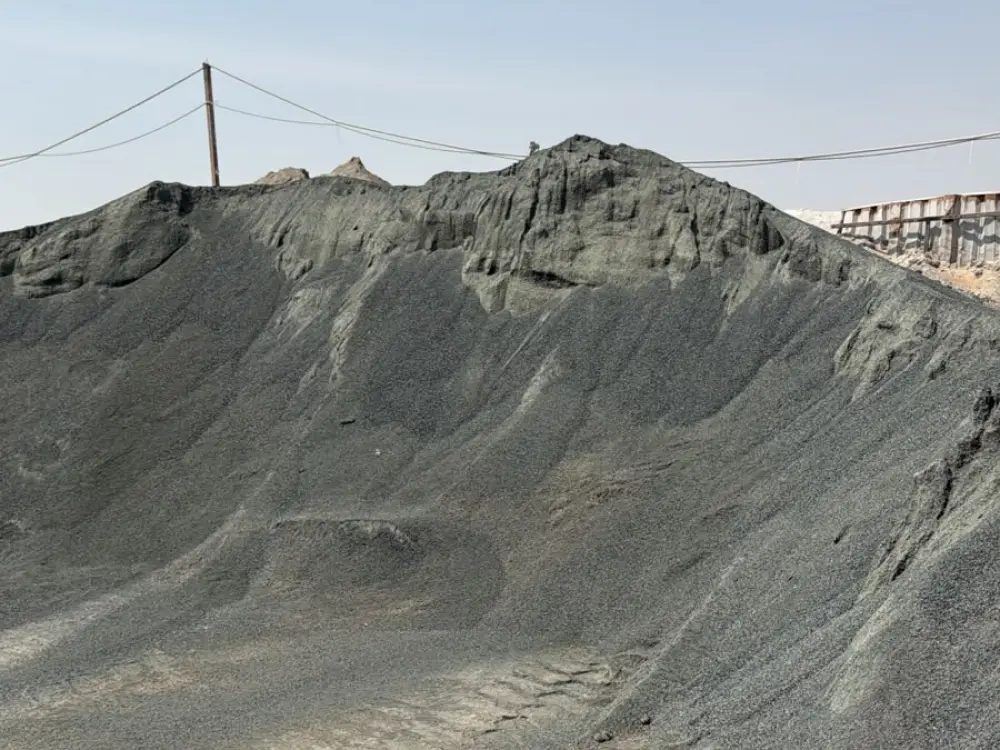
Layer 2: road base
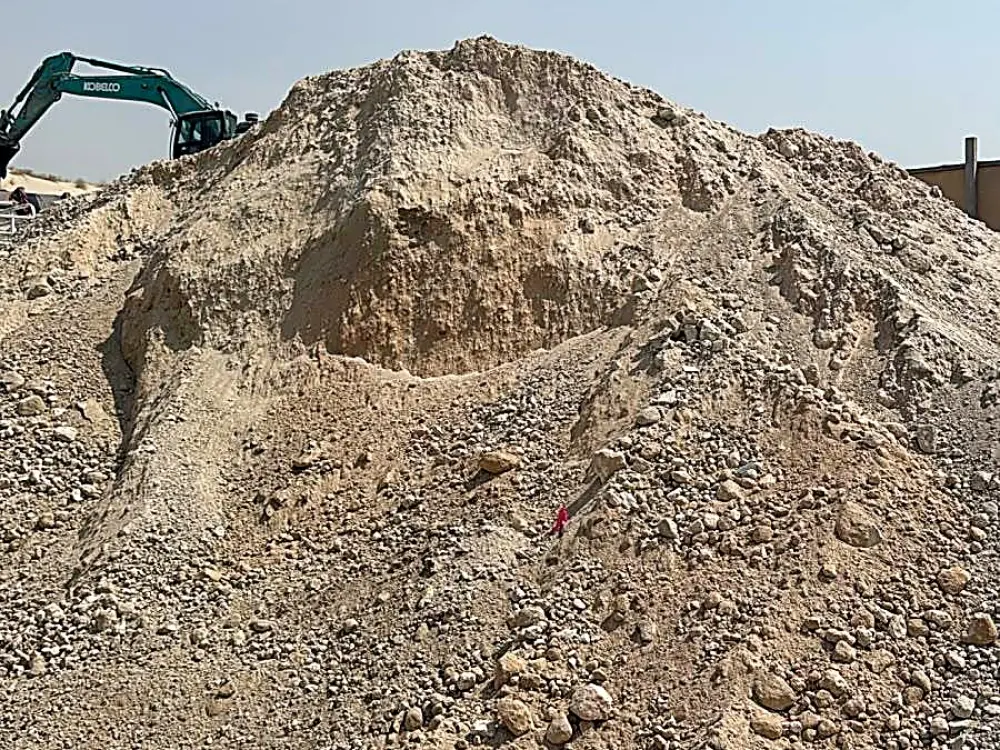
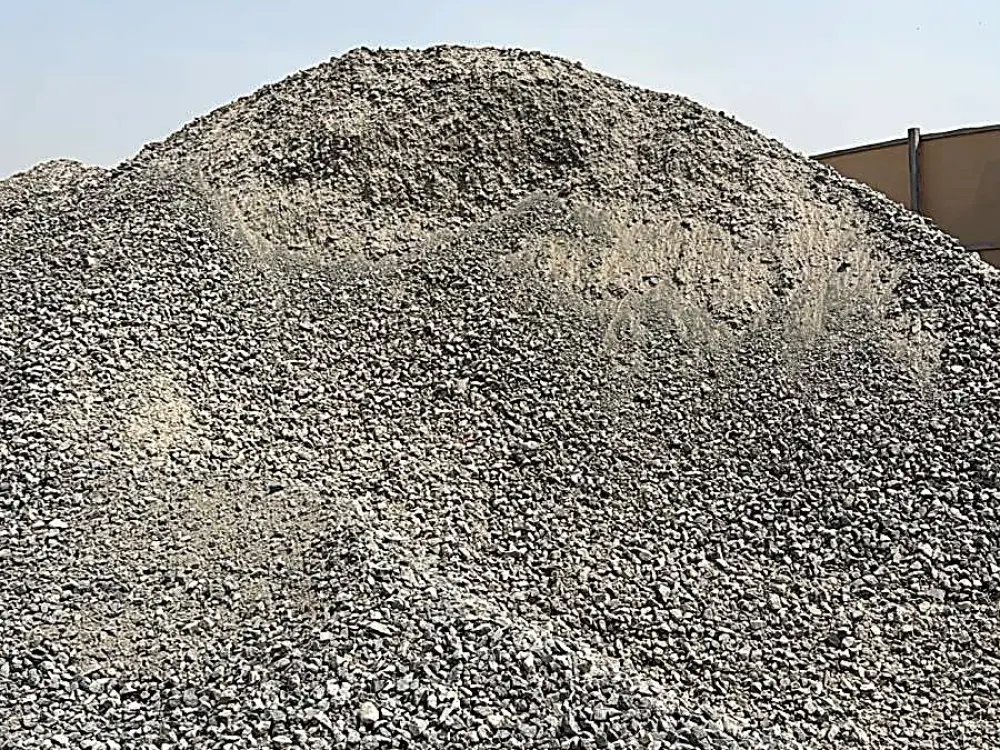
Road base is a mix of crushed stone and fines that locks together when it is compacted. It is the same material used under roads and interlock driveways, and it gives a hard, even platform. For a normal garden, 75 mm is enough. Where cars, heavy planters or a play set will stand, go to 100 mm.
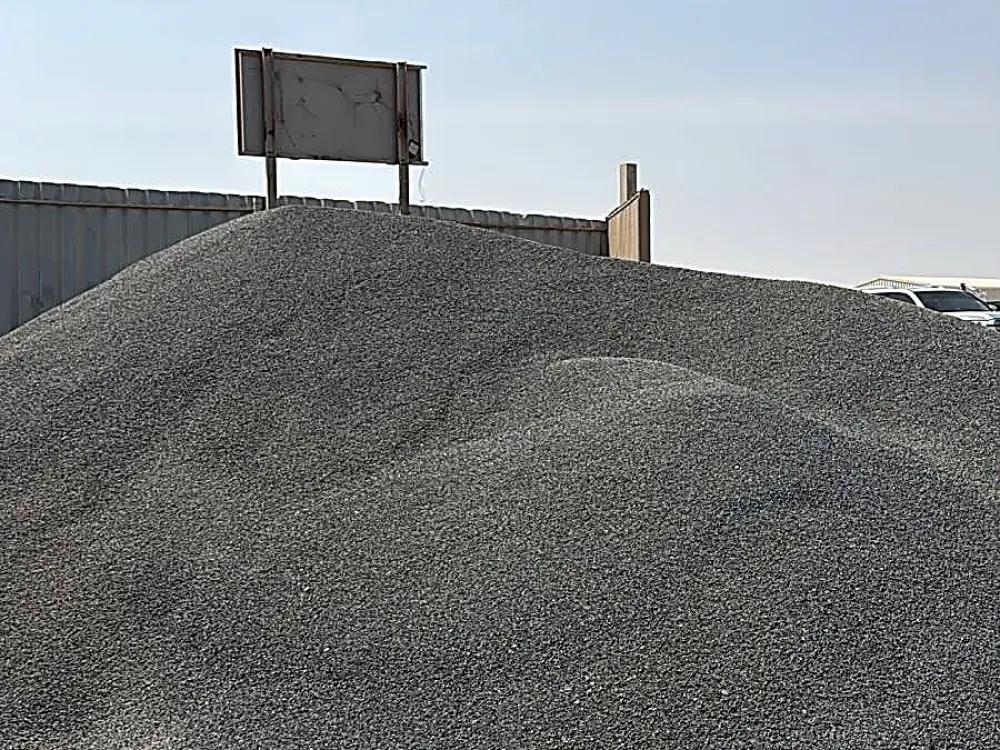
Layer 3: 3/16 crushed stone
The top layer is fine crushed stone of about 5 mm, sold in Abu Dhabi as 3/16 aggregate or interlock sand. It is easy to rake perfectly flat, it compacts well and it drains fast. This is the layer that decides how smooth your lawn looks, so it should be screeded with a straight board before the grass goes down. Paving next to the lawn? The same base rules apply, and our guide on why interlock pavers sink explains what goes wrong.
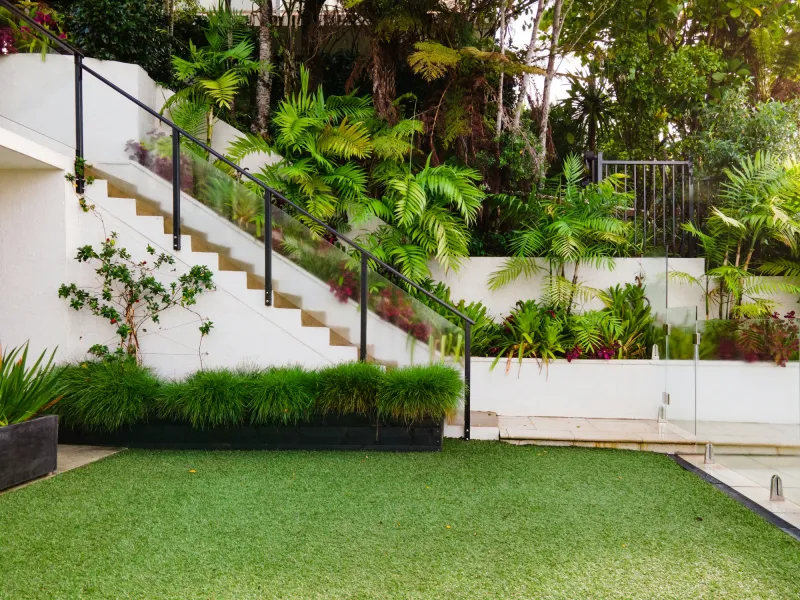
Can You Put Artificial Grass Straight on Sand?
You can lay artificial grass straight on sand, but not for a lawn people use. Loose dune sand moves under foot traffic, so the grass gets dips and waves, the edges sink, weeds grow through the seams and rain leaves soft hollows. Sand alone is only acceptable for small decorative areas with no foot traffic.
You can, and many cheap installs do. It looks fine on day one. The problems start later:
- Dips and waves. Loose dune sand moves under foot traffic, so the grass follows it.
- Sinking at the edges. Without a firm base, the edges drop and pull away from paths and kerbs.
- Weeds. Seeds in garden sand grow through gaps and seams.
- Soft spots after rain. Heavy UAE rain washes fine sand into low areas and leaves hollows.
The only place a sand base is acceptable is a small area with no foot traffic, such as a decorative strip or a balcony box. For a lawn that people use, spend a little more on road base and 3/16 now instead of relaying the grass next year.
Artificial Grass on Concrete, Tiles or a Roof
On a hard, flat surface such as an old concrete yard, a tiled terrace or a roof, you do not need road base. Make sure water can run off or drain, then lay a foam shock pad or underlay and fix the grass on top. If the old surface is cracked or uneven, a thin layer of 3/16 or a cement screed made with black sand evens it out first.
How Much Road Base and 3/16 Do You Need?
For a 75 mm road base layer, multiply the lawn area in m² by 0.075 and by 2 to get tons. For a 25 mm layer of 3/16, multiply the area by 0.025 and by 1.7. A 60 m² garden needs about 9 tons of road base and 2.5 tons of 3/16, and 100 m² about 15 tons and 4.5 tons.
Use the area of the lawn and the thickness of each layer. Compacted materials need a little extra, so the numbers below already include it.
- Area: length × width in metres. Example: a garden of 10 m × 6 m = 60 m².
- Road base: area × 0.075 m × 2 = tons. For 60 m² that is about 9 tons.
- 3/16 aggregate: area × 0.025 m × 1.7 = tons. For 60 m² that is about 2.5 tons.
| Lawn size | Road base (75 mm) | 3/16 (25 mm) | Typical delivery |
|---|---|---|---|
| 20 m² | About 3 tons | About 1 ton | Pickup loads |
| 50 m² | About 7.5 tons | About 2 tons | Pickups or one 6 wheel |
| 100 m² | About 15 tons | About 4.5 tons | 6 wheel truck |
| 200 m² | About 30 tons | About 8.5 tons | Two 6 wheel loads or a trailer |
Not sure of the size? Send a photo of the garden with rough measurements and we work it out for you. Our guide on how much sand you need explains the same method for other jobs. Building a sandpit next to the lawn? See the best sand for a kids play area.
Order your artificial grass base


Common Mistakes Under Artificial Grass
The most common mistakes under artificial grass are skipping compaction, using red garden sand or loose filling sand instead of road base, laying the base with no fall for water, and ordering the base after the grass arrives. Each layer must be compacted with a plate compactor and slope slightly away from the house.
- Skipping compaction. A loose base settles later. Each layer must be compacted with a plate compactor, which your installer brings.
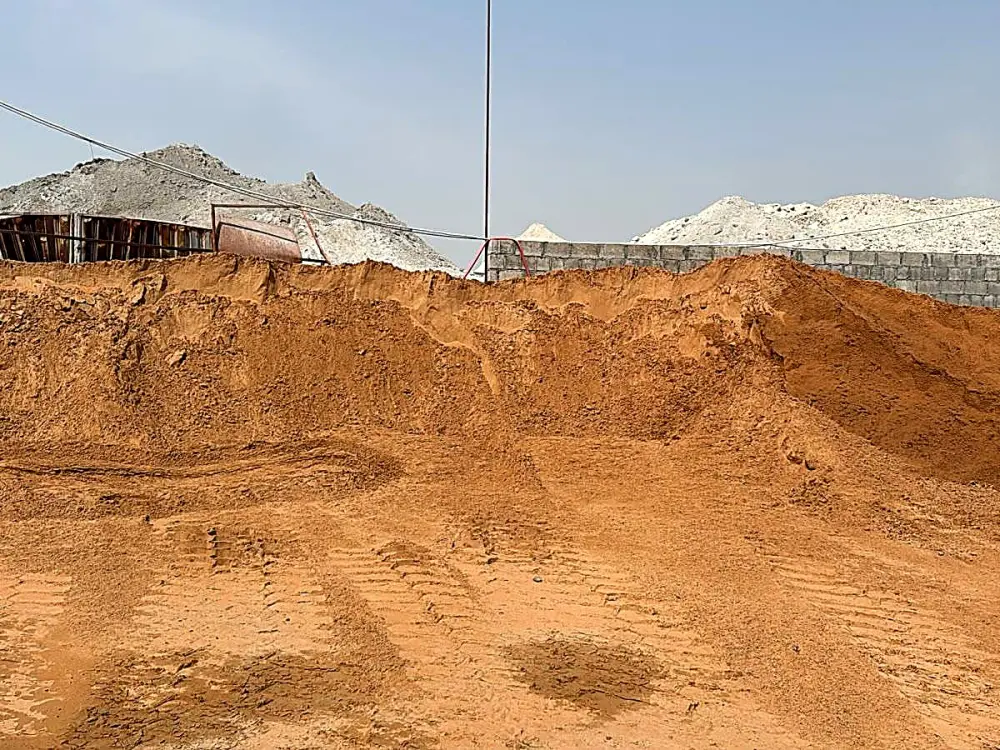
- Using red garden sand as the top layer. Red sweet sand holds water and stays soft. It is great for real grass and plants, not under artificial turf.
- Using filling sand instead of road base. Dune sand is perfect for raising the level of a plot, but it does not lock together like road base.
- No fall for water. The base should slope slightly away from the house so rain runs off towards the garden drain.
- Ordering material after the grass arrives. Order the base first. The grass goes down only once the base is flat and firm.
Site tip
Mixing real and artificial grass? Use red sweet sand for the planting beds and real lawn areas, and road base plus 3/16 only under the artificial turf.
Who Does What
We supply and deliver the base materials: road base, 3/16 aggregate, interlock sand and garden sand. Digging, compacting and laying the grass are done by your landscaper or artificial grass installer. Many installers order the base from us directly, or you can order it yourself so it is on site when the team arrives.
Ordering Artificial Grass Base Materials in Abu Dhabi
There is no minimum order. A small courtyard needs one pickup, a large villa garden a 6 wheel truck. We deliver across the emirate, from Al Shamkha villas to Al Ain and the workshops of Mussafah. If you are still choosing materials for other parts of the house, our guide to the types of sand for construction covers every sand by job. As a sand and gravel supplier in Abu Dhabi, we load from our yard in Mafraq Industrial Area every day, so send the garden size and we take it from there.