In this guide
- How Is a Block Boundary Wall Built in the UAE?
- Boundary Wall Materials List
- How Many Blocks for a Boundary Wall?
- How Much Sand and Aggregate for a Boundary Wall?
- In What Order Should You Order the Materials?
- Block Wall or Precast Wall?
- Common Mistakes When Ordering for a Boundary Wall
- Ordering Boundary Wall Materials in Abu Dhabi
Quick answer
A block boundary wall in Abu Dhabi needs concrete for the footing and columns (black sand, 3/4 aggregate, cement and steel), solid blocks below ground, 200 mm hollow blocks above, black sand for mortar and plaster, and dune sand to backfill the footing. As a rough guide, every 10 m of a 2.5 m high wall takes about 300 blocks, 5 tons of black sand and 4.5 tons of aggregate.
A boundary wall is often the first job on a new villa plot and the most common extension job on an old one. It gives privacy, security and a clean line around the garden. It is also a job where material orders go wrong: the footing concrete runs short, the blocks arrive before the sand, or the plaster sand is the wrong type.
This guide lists every material a block boundary wall needs, in the order your contractor will use them, with quantities per 10 metres of wall and for a full villa plot. Use it to plan your order and check your contractor’s quote.
How Is a Block Boundary Wall Built in the UAE?
Most villa boundary walls in the UAE are built on a reinforced concrete strip footing, with concrete columns every three metres or so, solid blocks up to ground level, 200 mm hollow blocks above, a concrete tie beam or coping on top, and cement plaster on both faces. Your engineer’s drawing sets the exact sizes.
- Excavation and blinding. A trench is dug and a thin layer of plain concrete is cast to give a clean, level base.
- Strip footing. Reinforced concrete along the full length of the wall.
- Neck and columns. Concrete columns rise from the footing at regular spacing.
- Blockwork below ground. Solid blocks up to the finished ground level.
- Backfill. The trench is filled and compacted around the footing.
- Blockwork above ground. Hollow blocks between the columns to full height.
- Tie beam or coping. A concrete beam or coping along the top.
- Plaster and paint. Cement plaster on both faces, then paint or a decorative finish.
Check the rules first
Wall height, gates and design are controlled by the municipality and many communities. Get the drawing approved before you order materials.
Boundary Wall Materials List
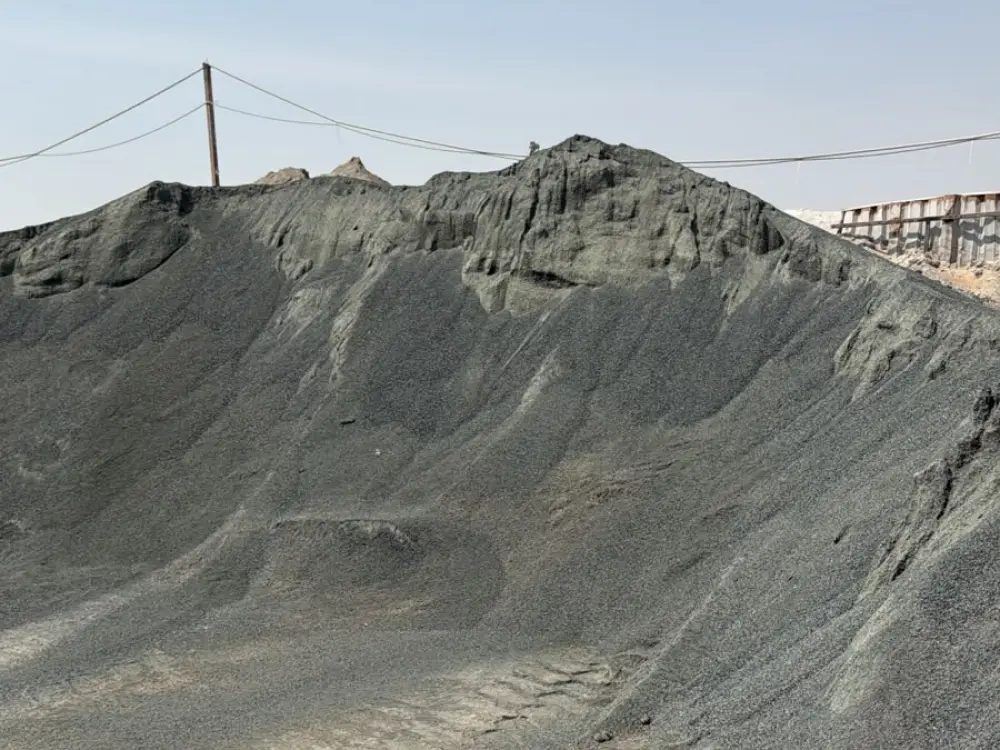
The full materials list for a block boundary wall is: black sand, 3/4 aggregate, cement and steel for the concrete; solid blocks and 200 mm hollow blocks for the wall; black sand and cement for mortar and plaster; dune sand for backfilling the footing trench; and road base if a paved strip or driveway runs along the wall.
| Stage | Material | What it is for |
|---|---|---|
| Footing, columns, beams | Black sand and 3/4 aggregate | Concrete with cement and steel |
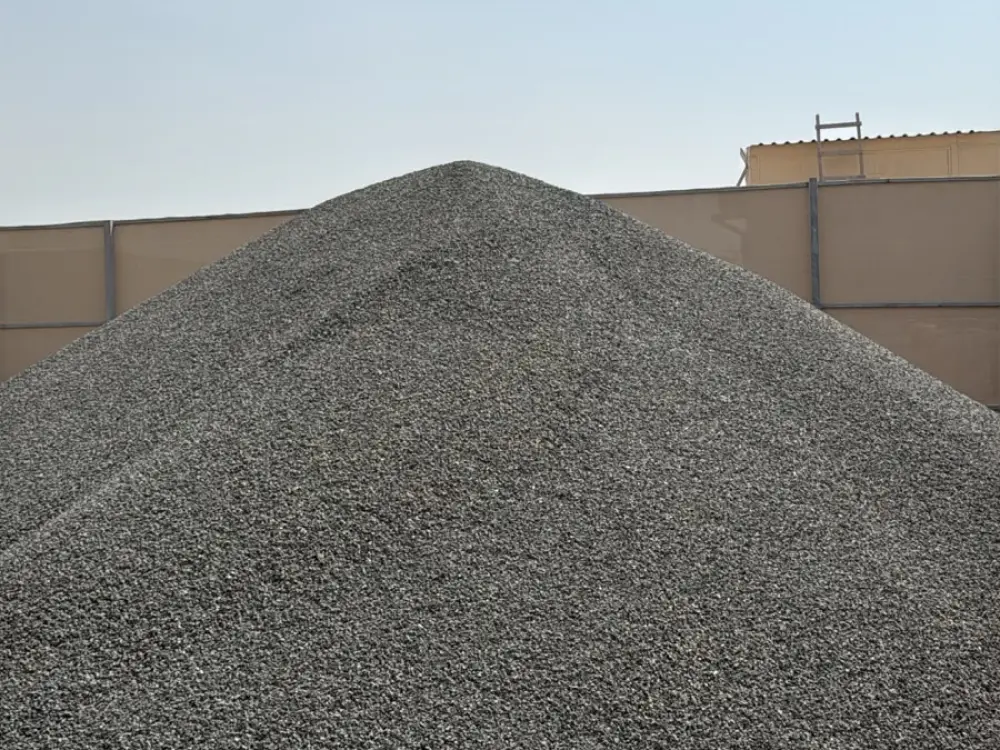
| Thin columns, coping | 3/8 aggregate | Concrete in narrow forms with tight steel |
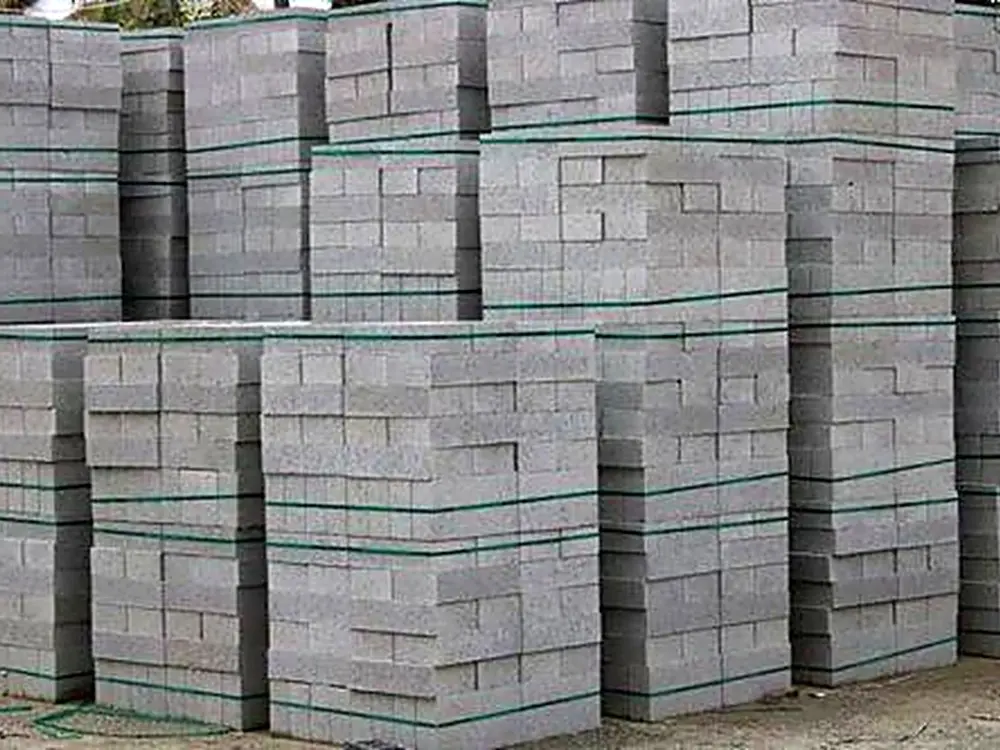
| Below ground walling | Solid blocks | Strong wall in contact with soil |
| Above ground walling | 200 mm hollow blocks | The main wall |
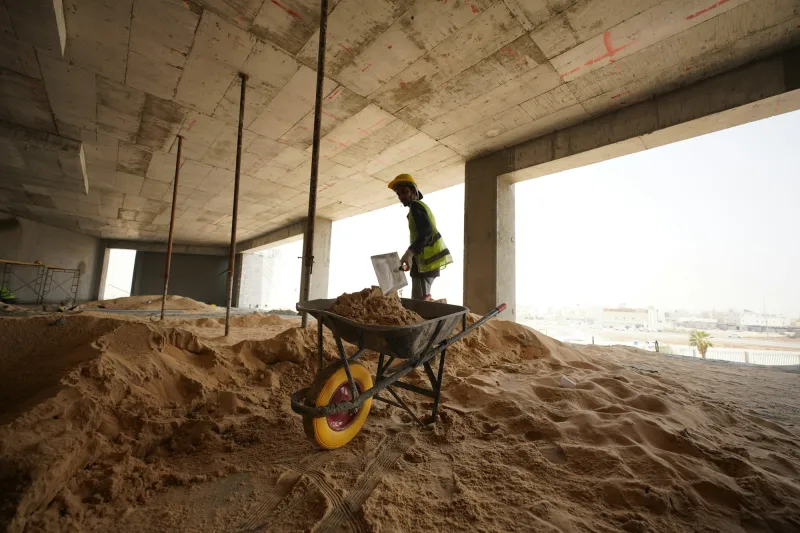
| Mortar and plaster | Black sand | Laying blocks and plastering both faces |
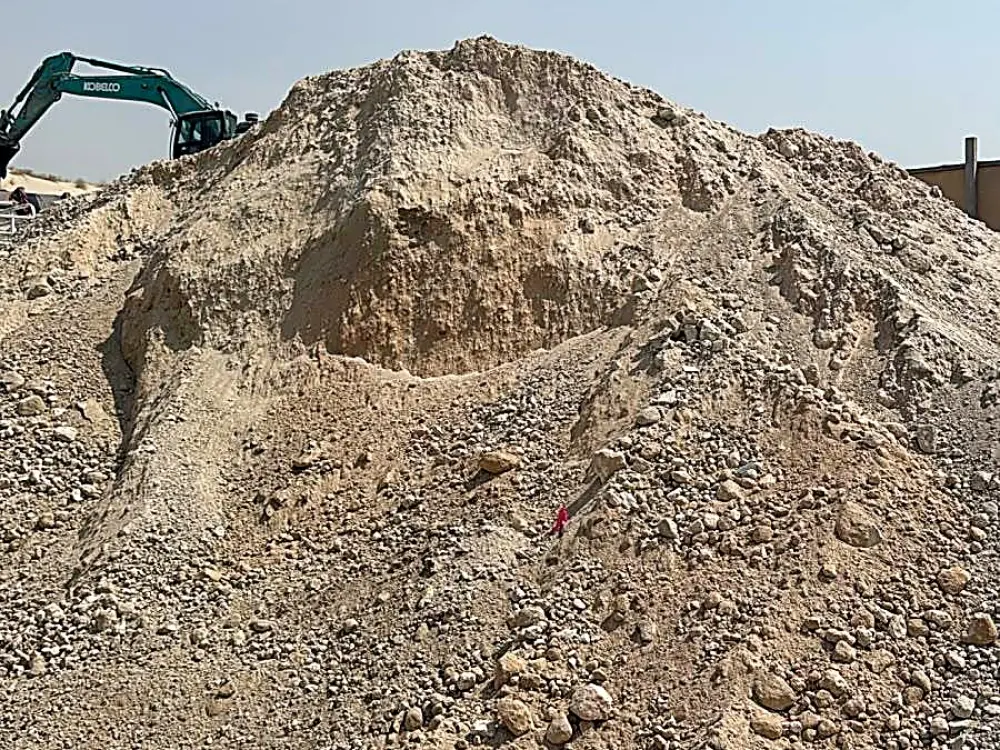
| Backfill | Dune sand (Dafan) | Filling the trench around the footing |
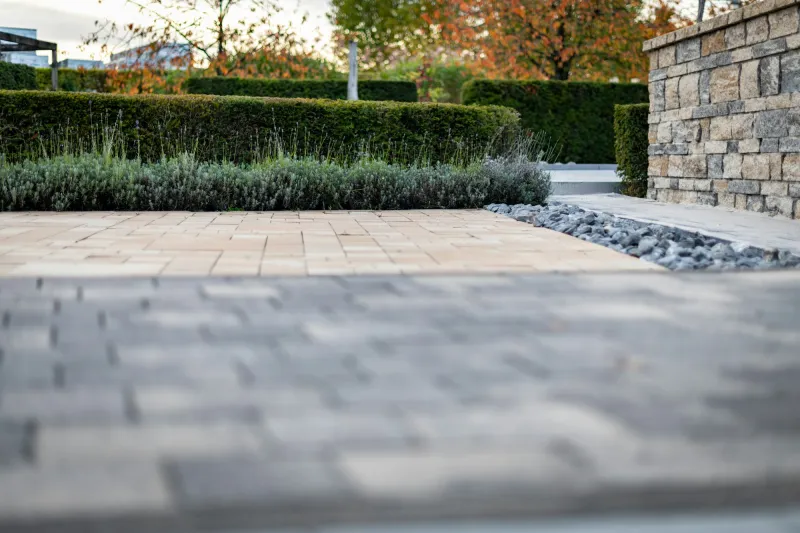
| Paving along the wall | Road base and interlock sand | Driveway or path next to the wall |
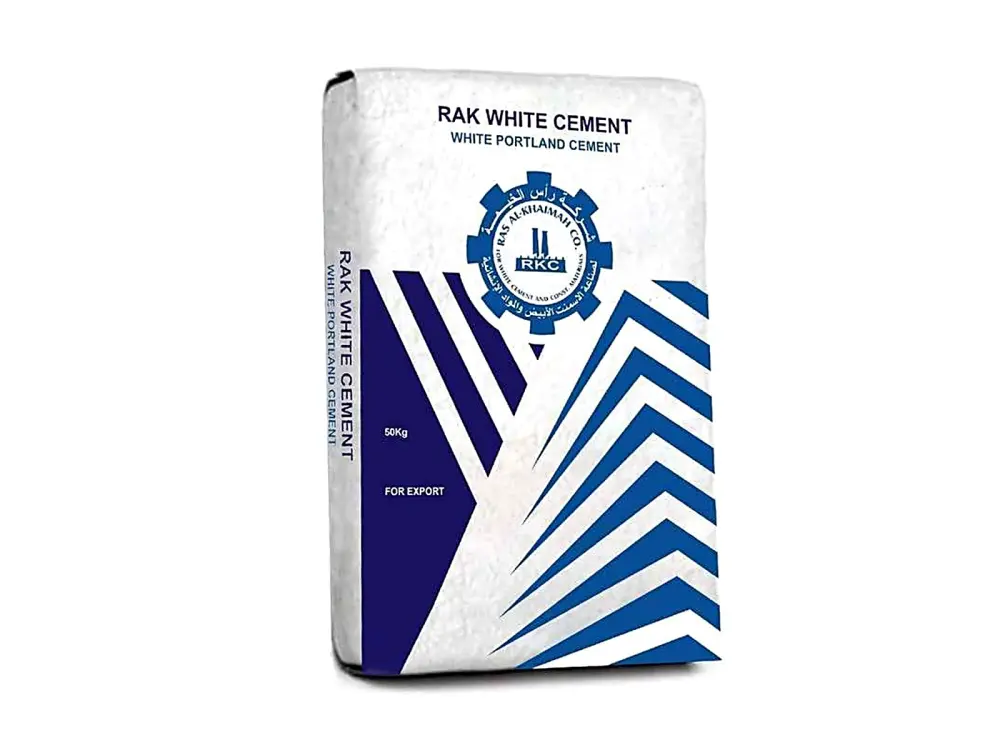
| Decorative finish | White cement | Bright coping, joints and decorative plaster |
How Many Blocks for a Boundary Wall?
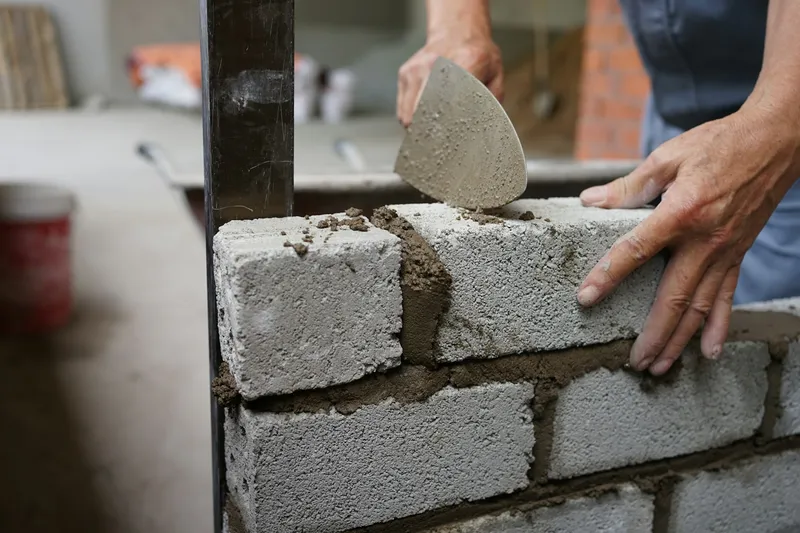
Standard UAE blocks have a 400 × 200 mm face, so a wall uses about 12.5 blocks per square metre. A 10 m long, 2.5 m high wall is 25 m², about 310 blocks before columns. Allow 5 percent extra for cuts and breakage, and fewer blocks where concrete columns take up space.
| Wall length | Height 2 m | Height 2.5 m | Height 3 m |
|---|---|---|---|
| 10 m | About 250 blocks | About 310 blocks | About 375 blocks |
| 30 m | About 750 blocks | About 940 blocks | About 1,125 blocks |
| 90 m (typical villa plot) | About 2,250 blocks | About 2,810 blocks | About 3,375 blocks |
Columns, gates and openings reduce these numbers. Your contractor will take them off the drawing.
How Much Sand and Aggregate for a Boundary Wall?
For every 10 m of a 2.5 m high block wall, plan on about 2.3 tons of black sand and 4.5 tons of aggregate for the concrete, 1 ton of black sand for the block mortar and about 1.8 tons for plaster on both faces. That is about 5 tons of black sand in total.
| Item | Per 10 m of wall | Typical villa plot (90 m) |
|---|---|---|
| Concrete (footing, columns, beam) | About 3.3 m³ | About 30 m³ |
| Black sand for concrete | About 2.3 tons | About 21 tons |
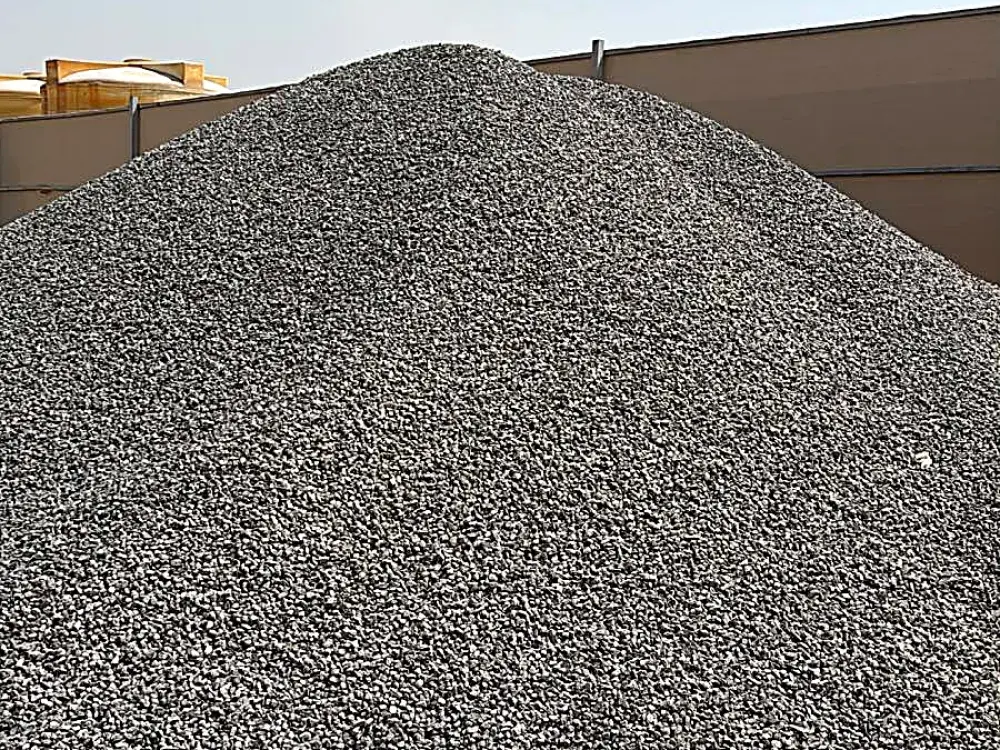
| 3/4 aggregate | About 4.5 tons | About 41 tons |
| Black sand for mortar | About 1 ton | About 9 tons |
| Black sand for plaster (both faces) | About 1.8 tons | About 16 tons |
| Cement (50 kg bags) | About 30 to 35 bags | About 270 to 315 bags |
| Dune sand backfill | About 2 to 3 tons | About 20 to 25 tons |
These are planning figures for a footing about 600 mm wide and 300 mm deep, with columns every 3 m. Your engineer’s design and the soil decide the real sizes. For other jobs, see our guide on how much sand you need.
Order your boundary wall materials


In What Order Should You Order the Materials?
Order materials stage by stage, not all at once. First black sand and aggregate for the blinding and footing, then solid blocks and backfill sand, then hollow blocks with more black sand for mortar, and finally plaster sand. This keeps the site clear, protects the sand from wind and rubbish, and spreads your payments.
| Week | Stage | Order |
|---|---|---|
| 1 | Footing and columns | Black sand and 3/4 aggregate, by the 6 wheel load |
| 2 | Below ground and backfill | Solid blocks, dune sand |
| 2 to 3 | Wall above ground | Hollow blocks, black sand for mortar |
| 3 to 4 | Beam and coping | Black sand, 3/8 aggregate |
| 4 to 5 | Plaster | Black sand, white cement for decorative work |
Block Wall or Precast Wall?
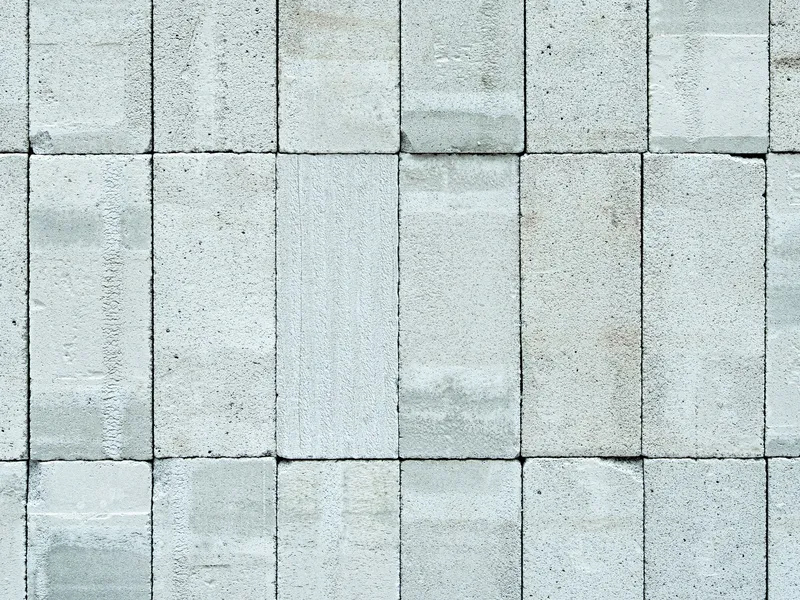
A block wall is built on site, can follow any plot shape and is easy to extend, plaster and decorate, which is why most villa owners choose it. Precast panel walls go up faster on long, straight runs, but need crane access and suit compounds and industrial plots more than villa gardens.
For a villa, a block wall also lets you match the house: same plaster, same paint and decorative details in white cement. For a long site or yard boundary in an industrial area, ask your contractor to price both.
Common Mistakes When Ordering for a Boundary Wall
The most common mistakes are using plot sand in the concrete or plaster, ordering all the blocks before the footing is cast, forgetting the sand for plaster, and booking a trailer that cannot reach the plot. Plan each stage and confirm street access before each delivery.
- Using plot sand in concrete. Dune sand is for backfill only. Our guide on desert sand in concrete explains why.
- Blocks too early. Blocks stacked for weeks get chipped and block the trench.
- Forgetting plaster sand. Plaster on both faces uses almost as much sand as the mortar.
- Wrong truck. Check the street. Our guide to sand truck sizes explains which truck fits.
Ordering Boundary Wall Materials in Abu Dhabi
Send the wall length, height and plot location on WhatsApp, or a photo of the drawing. We confirm the blocks, black sand, aggregate and backfill sand, plan the deliveries around each stage and the truck ban hours, and deliver across the Abu Dhabi emirate with no minimum order.
We supply the materials only. Excavation, steel fixing, blockwork and plaster are done by your contractor, who can order directly from us. We deliver to plots in Al Shamkha, Al Ain, Mussafah and every other area of the emirate. As a sand and gravel supplier in Abu Dhabi, we load from our yard in Mafraq Industrial Area every day.