In this guide
- Why Desert Sand Does Not Work in Concrete
- Desert Sand vs Concrete Sand: Side by Side
- What Happens If You Use Desert Sand in Concrete or Plaster
- Which Sand Is Used for Concrete in the UAE?
- Where Desert Sand Is Still Useful
- Can Desert Sand Be Used for Blocks, Plaster or Mortar?
- Can Desert Sand Ever Be Made Suitable?
- How to Tell Desert Sand From Concrete Sand on Site
- Ordering Concrete Sand in Abu Dhabi
Quick answer
No. Normal desert sand cannot be used for concrete. The grains are too fine, too round and too smooth for cement to grip, and they often carry salt and dust that weaken the mix and rust the steel. Concrete in the UAE is made with washed black sand or crushed sand plus crushed aggregate. Desert sand is still useful on site, but only for filling, backfill and raising plot levels.
It is one of the first questions new villa owners ask us on WhatsApp. “My plot is full of sand. Why do I have to buy sand for the concrete?” It is a fair question. Abu Dhabi sits on one of the largest deserts in the world, and still every slab, footing and column in the emirate is made with sand that comes from a quarry or a washing plant.
The answer is not about quantity. It is about the shape and size of each grain. This guide explains in plain words why desert sand fails in concrete, what happens if a contractor uses it anyway, which sand is actually used for concrete in the UAE, and where desert sand still saves you money on site.
Why Desert Sand Does Not Work in Concrete
Desert sand does not work in concrete for three reasons: its wind polished grains are round, so they roll instead of locking together; they are very fine and all one size, so the mix needs more water and cement; and it often carries salt, dust and clay that weaken the concrete and rust the steel.
Concrete is cement, water, sand and stone. The cement paste is the glue. The sand and stone are the skeleton. For the skeleton to be strong, the grains must lock into each other and give the cement a rough surface to hold. Desert sand fails on three counts.
1. The grains are round and smooth
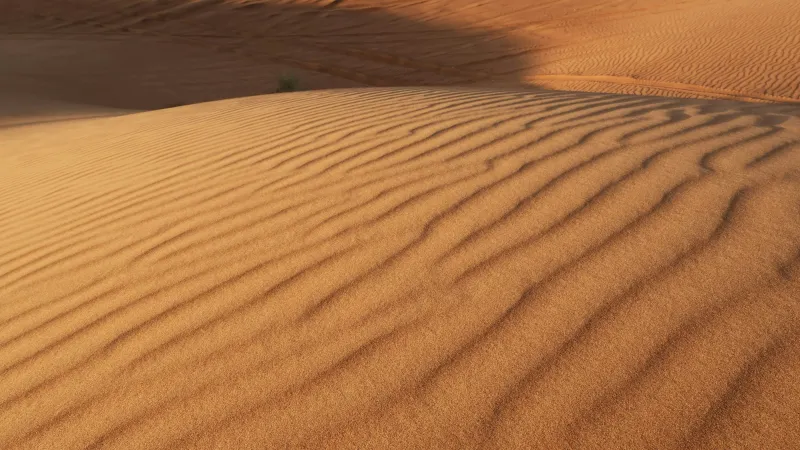
Desert sand has been blown by the wind for thousands of years. Every grain has rolled and bumped against other grains so many times that it is now almost a tiny polished ball. Round, smooth grains roll over each other like marbles. They do not interlock, and cement paste slides off them instead of gripping them. The result is concrete with low strength.
Construction sand is the opposite. Washed sand from a river bed or quarry, and crushed sand made by breaking rock, both have sharp, rough edges. Those edges lock together and give the cement something to hold.
2. The grains are too fine and all the same size
Good concrete needs a mix of grain sizes, from coarse to fine, so the small grains fill the gaps between the big ones. The wind sorts desert sand so well that nearly every grain is the same small size. That leaves many tiny gaps that only cement paste can fill.
In practice this means the mix needs more water to be workable and more cement to reach the same strength. More water means weaker concrete and more shrinkage cracks. More cement means a bigger bill for a worse result.
3. Salt, dust and clay
In a hot, dry climate, water evaporates and leaves its salts behind in the top layer of sand. Desert sand near the coast and in low areas can also hold fine dust and clay. Salt inside concrete pulls in moisture and attacks the steel bars. Rusting steel swells, cracks the concrete around it and pushes pieces off. Dust and clay coat the grains and stop the cement from bonding.
Washed sand has most of that salt, dust and clay rinsed out before it reaches your site. That washing is a big part of what you pay for.
Desert Sand vs Concrete Sand: Side by Side
Desert dune sand has round, polished, single size grains and often high salt and dust, so it is not used in concrete, plaster or mortar. Washed black sand and crushed sand have sharp, mixed grains up to about 5 mm with low salt, so they need normal water and cement. Dune sand is only the cheapest choice for filling.
Here is the difference in one table. Use it when a contractor tells you the sand on site “is fine for concrete”.
| Point | Desert dune sand | Washed black sand | Crushed sand |
|---|---|---|---|
| Grain shape | Round and polished | Sharp, mixed shapes | Angular and rough |
| Grain size | Very fine, one size | Mixed fine and coarse | Mixed, up to about 5 mm |
| Salt and dust | Often high | Low, washed out | Low |
| Water and cement needed | More of both | Normal | Normal |
| Concrete | Do not use | Yes | Yes |
| Plaster and block mortar | Do not use | Yes | Yes, often blended |
| Filling and backfill | Yes, cheapest option | Too costly for filling | Too costly for filling |
What Happens If You Use Desert Sand in Concrete or Plaster
Using desert sand in concrete or plaster usually leads to slabs that never reach design strength, dusty surfaces, shrinkage cracks in summer heat, rust stains and spalling where salt reaches the steel, and plaster that sounds hollow and falls off. Breaking out and redoing the work costs many times more than the sand saved.
Some builders mix site sand into concrete or plaster to save a trip. It rarely saves money. These are the problems we hear about afterwards:
- Weak slabs and footings. The concrete looks normal on day one but never reaches the strength the design needs.
- Dusty, soft surface. The top of the slab powders when you sweep or scratch it.
- Shrinkage cracks. Extra water in the mix evaporates in the summer heat and leaves fine cracks across the slab.
- Rust stains and spalling. Salt reaches the steel. Brown stains appear, then the concrete over the bars cracks and falls off.
- Hollow or cracked plaster. Fine round sand gives a weak bond, so plaster sounds hollow when you knock on it and comes off in patches.
The real cost
Breaking out and recasting a slab, or stripping and redoing plaster, costs many times more than the sand you tried to save. Always use washed sand for anything that holds weight or covers a wall.
Which Sand Is Used for Concrete in the UAE?
UAE concrete uses washed natural sand or crushed sand made from hard rock quarried mostly in Ras Al Khaimah and Fujairah. On Abu Dhabi sites that means washed black sand as the fine part of the mix, with 3/4 inch (20 mm) or 3/8 inch (10 mm) crushed aggregate as the coarse part. Local dune sand is not used.
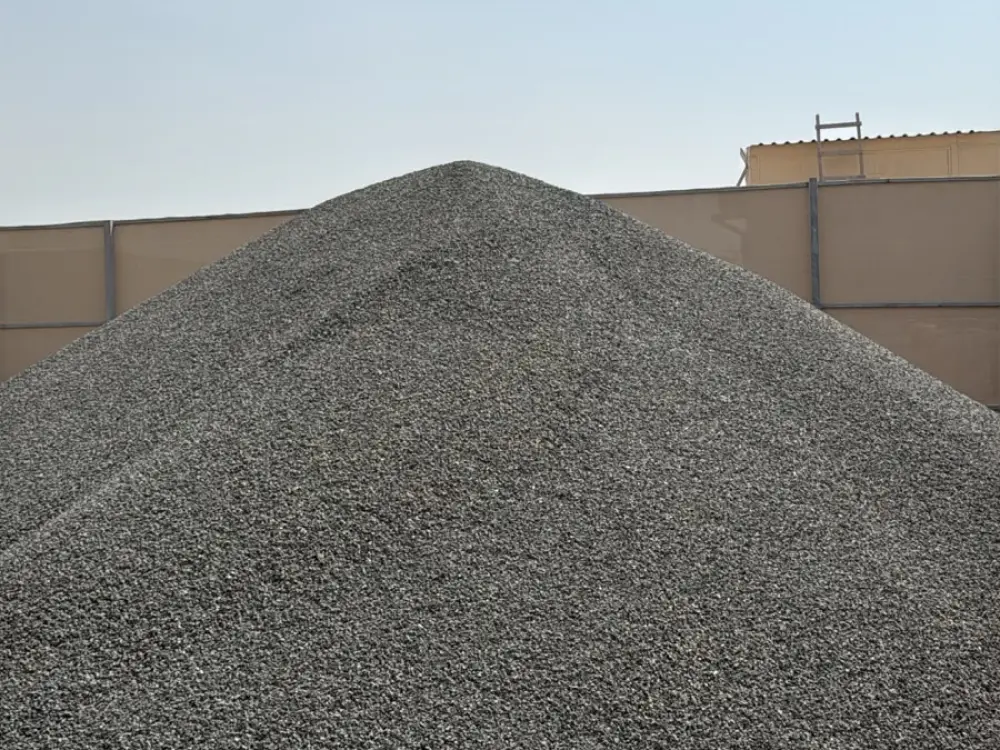
Because local dune sand cannot be used, the UAE gets its concrete sand from two places. Some is natural sand that is washed and graded. The rest is made by crushing hard rock from quarries in the northern emirates, mostly Ras Al Khaimah and Fujairah, into sharp, sand sized grains. On Abu Dhabi sites you will meet these names:
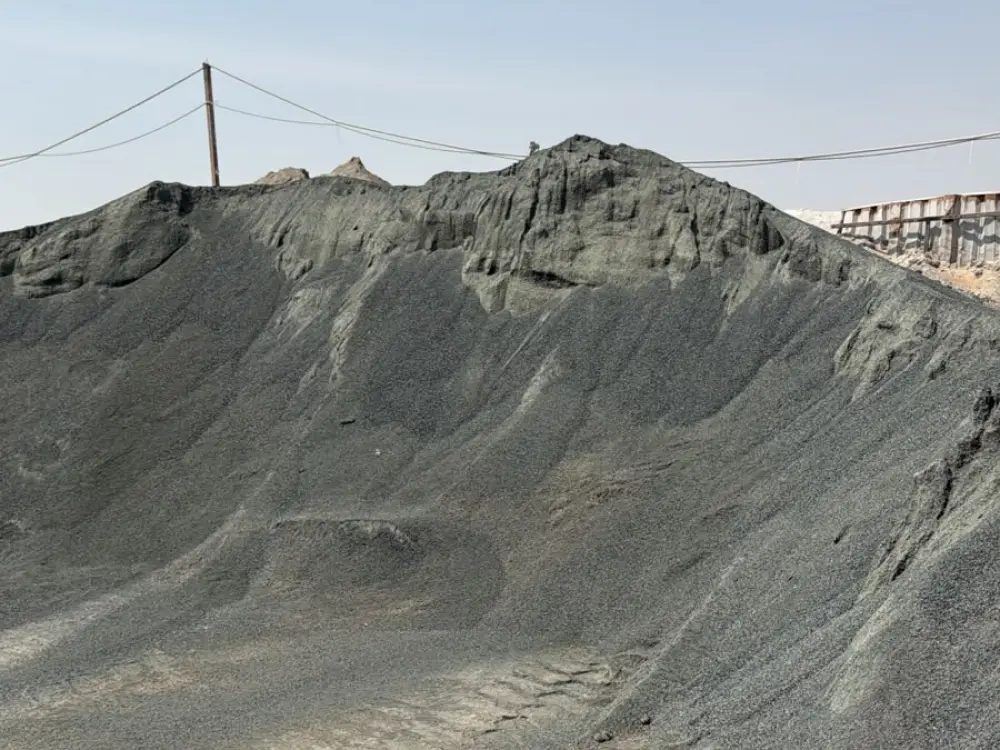
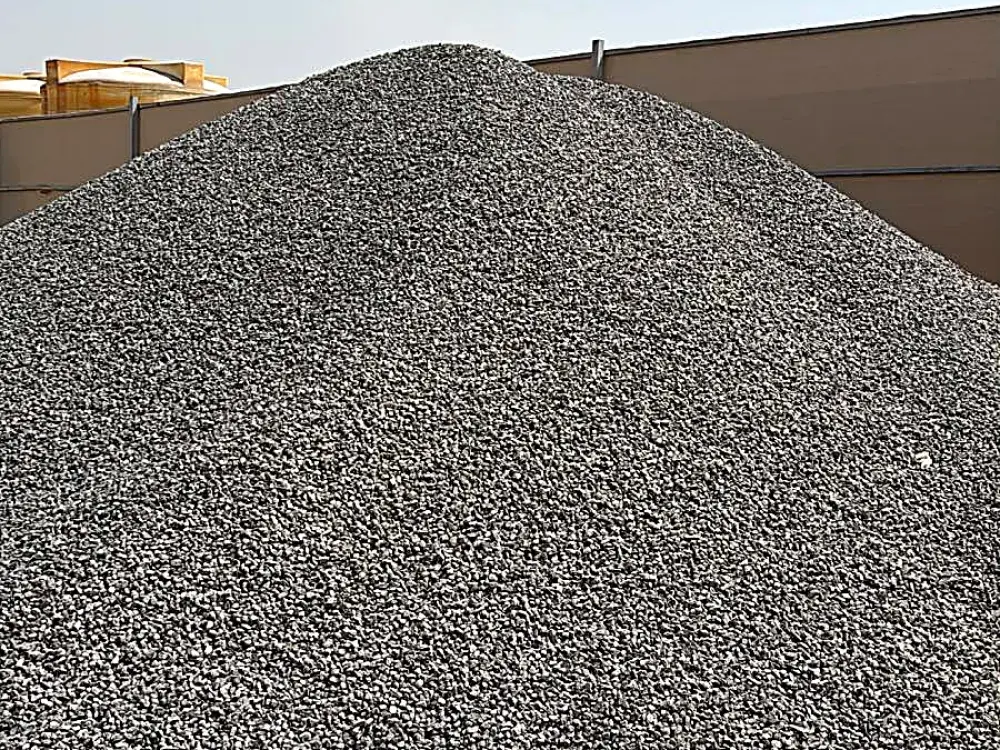
- Black sand, also called washed sand or concrete sand. Dark grey, sharp and clean. This is the sand for concrete, block mortar, screed and outside plaster.
- White sand. Lighter and finer, used for inside plaster and fine finishing work.
- 3/16 aggregate, a crushed stone of about 5 mm. Used in screeds, block making and as bedding under pavers.
- 3/4 aggregate and 3/8 aggregate, the crushed stone that forms the coarse part of the mix. Bigger 3/4 stone for footings and slabs, smaller 3/8 for thinner sections and columns with tight steel.
A typical site mix for footings and slabs is one part cement, two parts black sand and four parts aggregate, with as little water as the mason can work with. For anything structural, follow the mix your engineer or consultant gives you.
Order concrete materials


Where Desert Sand Is Still Useful
Desert sand is not useless. It is simply a filling material, not a building material. Used for the right job, it is the cheapest sand you can buy.
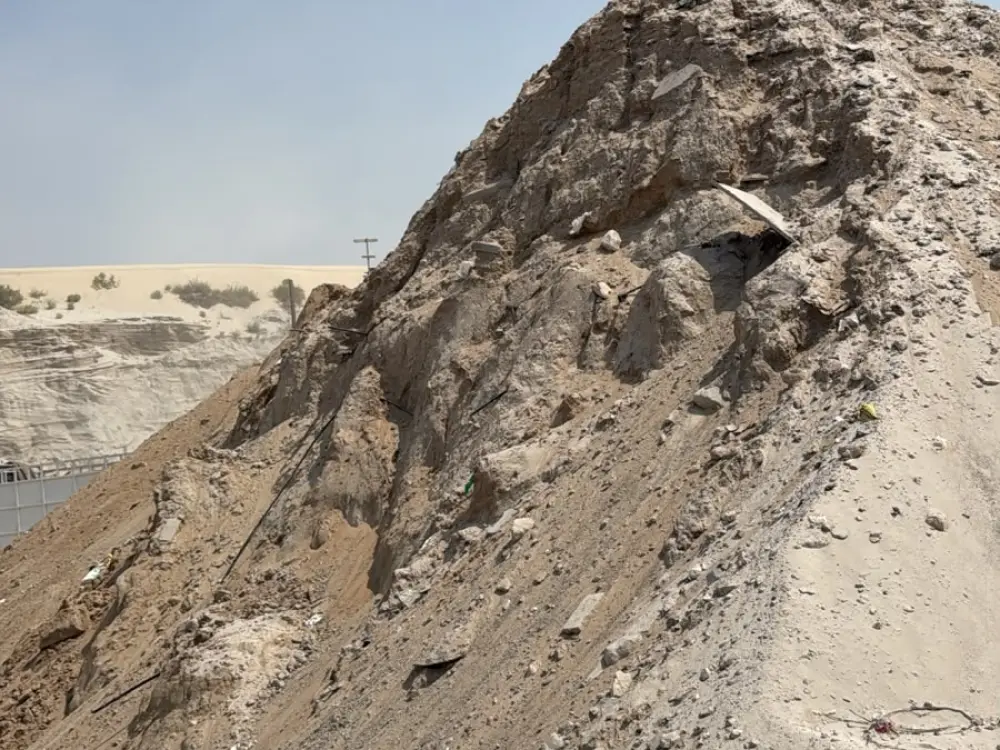
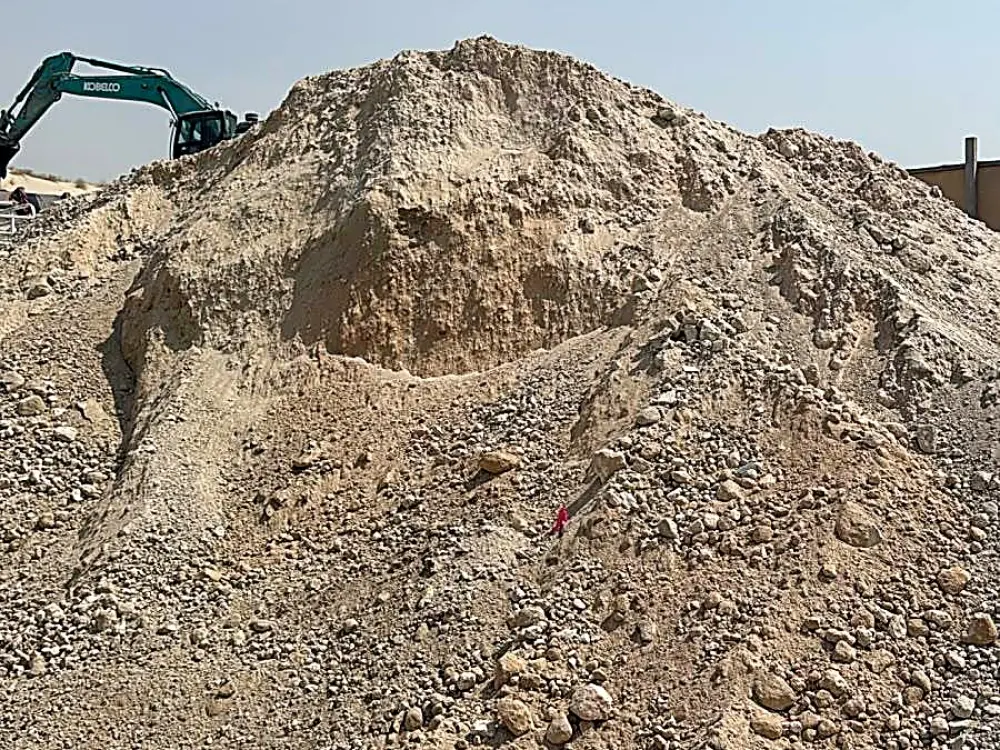
- Raising plot levels. Dune sand, known on site as Dafan or filling sand, is the standard material to lift a villa plot to road level.
- Backfill. Filling around foundations, behind retaining walls and inside trenches after the services are laid.
- Under slabs and yards. Laid as a fill layer, often finished with gatch material or road base on top for a firm base.
- Gardens. Red sweet sand, a softer dune sand that holds water, is used for lawns and planting beds.
Note that we supply the material only. Spreading and compacting is done by your contractor or landscaper.
Can Desert Sand Be Used for Blocks, Plaster or Mortar?
No. Desert sand should not be used for concrete blocks, block mortar, inside or outside plaster, or driveway concrete. Anything with cement in it needs washed black sand or crushed sand, plus crushed aggregate for concrete. The only job in the table below where desert sand is the right answer is plot filling and backfill. Building a perimeter wall? Our boundary wall materials guide lists every material for the job.
The same rule applies. Anything with cement in it needs washed or crushed sand.
| Job | Desert sand? | Use this instead |
|---|---|---|
| Concrete slab, footing, column | No | Black sand plus 3/4 or 3/8 aggregate |
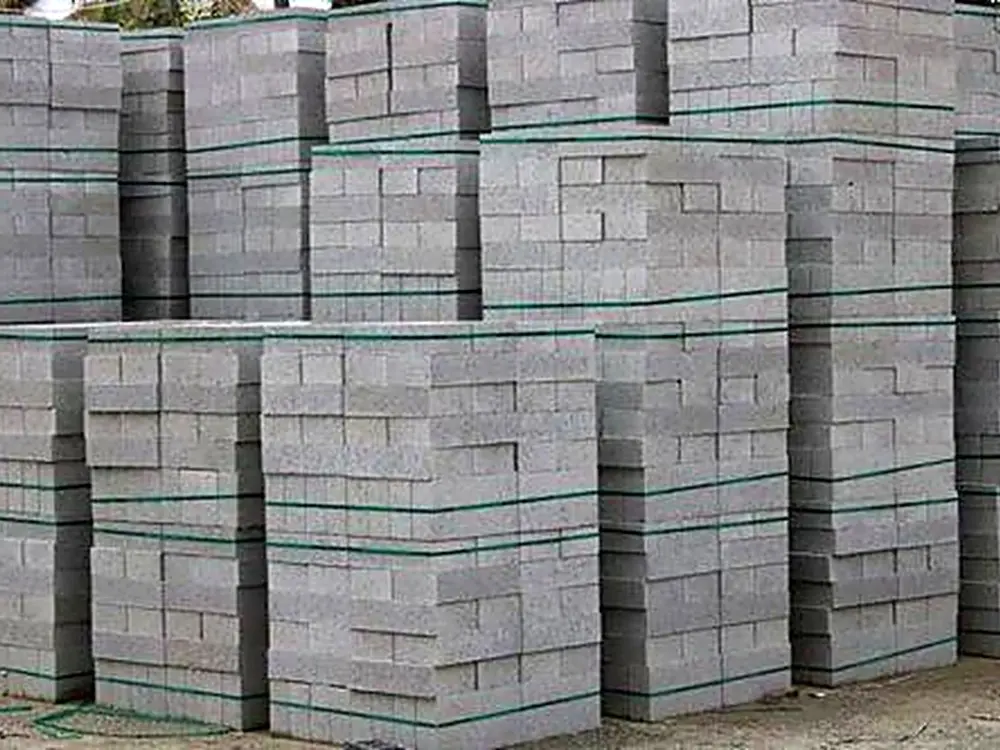
| Concrete blocks | No | Ready made hollow blocks |
| Block mortar | No | Black sand |
| Outside plaster | No | Black sand |
| Inside plaster | No | White sand, or black sand for the first coat |
| Driveway or patio concrete | No | Black sand plus aggregate |
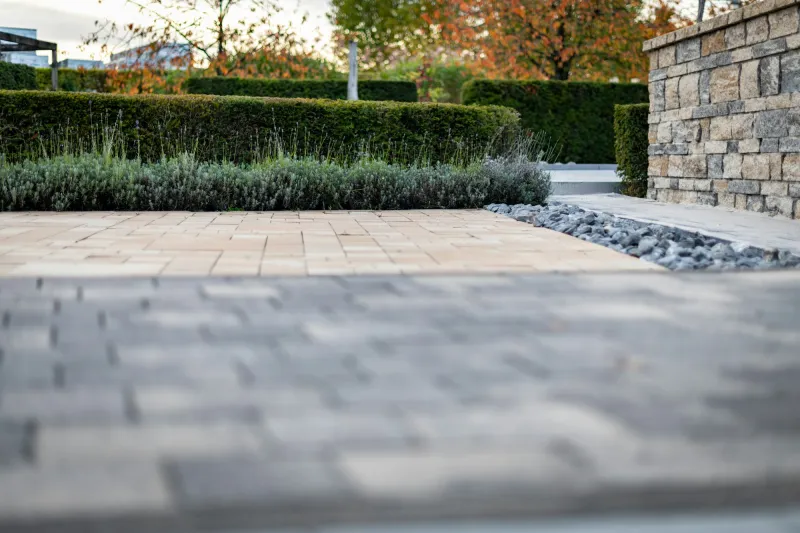
| Interlock paver bedding | No | Interlock sand (3/16) over road base |
| Plot filling and backfill | Yes | Dune sand (Dafan) |
Can Desert Sand Ever Be Made Suitable?
Not yet for normal building work. Researchers in the Gulf and abroad are trying ways to grind desert sand, blend a share of it with normal sand or use special binders, and some show promise for blocks and non structural products. None of this is used in site concrete or Abu Dhabi ready mix today.
Universities and companies in the Gulf and abroad are working on ways to use desert sand. Some grind and reshape the grains, some blend a share of desert sand with normal sand, and some use special binders instead of cement. A few of these ideas show promise for blocks and non structural products.
None of this is part of normal site concrete or ready mix in Abu Dhabi today. For a villa, an extension or a boundary wall, the safe and accepted choice is still washed black sand and crushed aggregate.
How to Tell Desert Sand From Concrete Sand on Site
Three quick checks tell desert sand from concrete sand: rub it between your fingers, because concrete sand feels sharp and gritty while desert sand feels silky like flour; look at the colour, dark grey with mixed grains versus light brown and even; and squeeze a damp handful, since a brown stain or a dough feel means clay.
If a load arrives and you are not sure what it is, three quick checks help:
- Rub it between your fingers. Concrete sand feels sharp and gritty. Desert sand feels soft and silky, almost like flour.
- Look at the colour and mix. Black sand is dark grey with grains of different sizes. Dune sand is light brown or reddish and every grain looks the same.
- Squeeze a damp handful. If it leaves a brown stain on your hand or sticks together like dough, it has clay or silt in it and should not go in concrete.
Site tip
Ask us for a photo of your load on WhatsApp before the truck leaves the yard. You see exactly what is coming to your site.
Ordering Concrete Sand in Abu Dhabi
When you order, tell us what the sand is for. “Sand” on its own can mean six different materials. Send us these details on WhatsApp:
- The job: slab, footing, columns, blockwork, plaster or filling.
- The size: length, width and thickness. Our sand calculator turns that into tons, and our guide to sand truck capacity shows which truck to book.
- Your location: a pin or plot number. We deliver across the emirate, including Mussafah, Al Shamkha and Al Ain.
- Street access: so we send a pickup, 6 wheel truck or trailer that can actually reach you.
There is no minimum order, from one pickup of black sand for a small repair to full trailers of filling sand for a new plot. If you want to compare all the sands side by side first, read our guide to the types of sand for construction. For everything else, we are a sand and gravel supplier in Abu Dhabi loading from Mafraq Industrial Area every day, and one message is enough to get started.